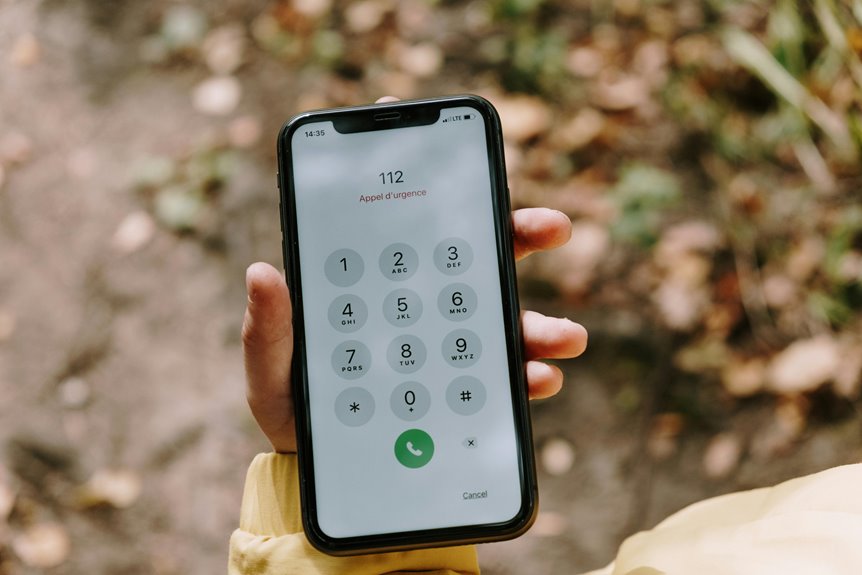
Free phone number lookups can help flag suspicious calls, but results are not definitive. They assemble public data and user reports to show red flags and potential scams, yet mislabeling and gaps are common. A cautious approach is needed: verify accuracy, protect privacy, and cross-check with independent sources. The questions remain open, and careful verification may be the key to avoiding mistaken conclusions, leaving you with a careful path forward.
What a Suspicious Number Looks Like and Why Free Lookup Helps
A suspicious phone number often signals an attempt to deceive or exploit, and recognizing common patterns can reduce risk. The pattern reveals suspicious phenomena, prompting scrutiny of caller context and intent. Detach from emotion and assess caller red flags: urgency, threats, vague details, unsolicited offers, or demands for payment. Free lookup assists verification, but corroboration remains essential for autonomous, informed decision-making.
Top Free Tools for Phone Number Lookup and How They Work
The rise of free phone-number lookup tools offers quick checks to verify caller identity and assess risk, but users should understand how these services operate and their limitations.
Top free tools aggregate public data, user reports, and carrier hints, yet results may mislabel unverified callers.
They highlight scam indicators but beware inaccuracies, privacy concerns, and evolving misuse risks.
How to Evaluate Results: Accuracy, Privacy, and Red Flags
Evaluating results from free phone-number lookup tools requires a disciplined focus on accuracy, privacy, and potential red flags; readers should approach each finding with measured skepticism rather than certainty. Assess data quality, cross-check against untrusted sources, and beware inconsistent details. Consider privacy implications and possible data leakage, avoiding overconfidence. Maintain critical distance, document limitations, and seek corroboration before acting on any listed information.
Quick Steps to Verify Caller Legitimacy Without Paying a Dime
Are there reliable, no-cost methods to gauge a caller’s authenticity without exposing personal data? The approach favors skepticism and self-reliance. Step one: note any mismatch between the number and claimed identity, and log suspicion indicators. Step two: verify via independent sources, avoiding shared data. Step three: protect data privacy by limiting device permissions. Conclusions: cautious verification supports freedom, not gullibility.
Conclusion
In the diagram of numbers, a suspicious caller is a shadow threaded through light. Free lookups are lanterns that glow with hints, not certainties, revealing pins of doubt rather than ironclad proof. The beacon warns: verify beyond the spark of reports, cross-check with independent sources, and shield your own digits. Like a careful clock, weigh each tick of data, acknowledge gaps, and proceed with sober caution, letting cautious scrutiny guide action rather than haste. Silence uncertainty with deliberate verification.