Keeping a swimming pool sparkling clean has traditionally meant hours spent skimming, brushing, and vacuuming by hand—a chore that quickly turns pool ownership from a luxury into a burden. Even dedicated pool owners find themselves dreading the weekly maintenance routine, especially when leaves, algae, and fine sediment seem to reappear overnight. Enter the robotic swimming pool vacuum: an intelligent, fully automated device that handles the dirty work while you focus on actually enjoying your pool.
But with dozens of models flooding the market—each boasting different features, cleaning capabilities, and price points—choosing the right one can feel overwhelming. How do you know which robotic cleaner will handle your specific pool shape, surface, and debris challenges? This comprehensive guide breaks down the essential features, performance factors, and practical considerations that matter most. Whether you’re a tech-savvy homeowner looking for smart connectivity or simply someone who wants a reliable set-and-forget cleaning solution, you’ll find the clarity you need to make a confident, informed purchase decision.
Why a Robotic Pool Cleaner is a Game-Changer
Traditional pool cleaning methods each come with significant drawbacks. Manual vacuuming demands your time and physical effort every week. Suction-side cleaners rely on your pool’s filtration pump, reducing its lifespan and adding strain to the system. Pressure-side cleaners require a dedicated booster pump, increasing energy costs and installation complexity. Robotic pool cleaners operate entirely independently—they carry their own filtration, motors, and intelligence onboard, drawing minimal electricity through a low-voltage transformer.
What truly sets robotic models apart is their combination of autonomy and precision. These devices use onboard microprocessors to map your pool’s dimensions, calculate efficient cleaning paths, and adapt to obstacles in real time. They scrub, vacuum, and filter simultaneously, often completing a full cycle in two to three hours while consuming less energy than a standard light bulb. For homeowners who embrace smart technology, many premium models offer Wi-Fi connectivity, app-based scheduling, and diagnostic alerts—fitting seamlessly into a connected home ecosystem alongside platforms like iGarden that help manage outdoor smart devices. The result is a genuinely hands-off solution that delivers professional-grade cleanliness without scheduling a service call or sacrificing your weekend.
See also: Swedish Culture Keyword Research Hub Fun to Play Explaining Home Entertainment Searches
Key Features for Maximum Efficiency and Coverage
Understanding the technical specifications behind robotic pool vacuums helps you separate marketing hype from genuine performance. The features below directly determine how thoroughly and efficiently your pool gets cleaned.
Filtration System: The Heart of Clean Water
Robotic cleaners typically use one of two filtration approaches: cartridge filters or fine media bags. Cartridge filters are rigid, easy to rinse, and excel at trapping fine particles like sand and pollen down to two microns. Fine media bags, on the other hand, offer larger debris capacity and work well in pools surrounded by heavy foliage. The best systems combine top-loading access with multi-layer filtration, allowing you to swap between ultra-fine cartridges for polishing water clarity and standard baskets for heavy leaf loads. Your choice should reflect your pool’s primary contaminants—fine dust and algae demand tighter filtration, while large organic debris calls for higher-capacity collection.
Cleaning Coverage and Navigation Intelligence
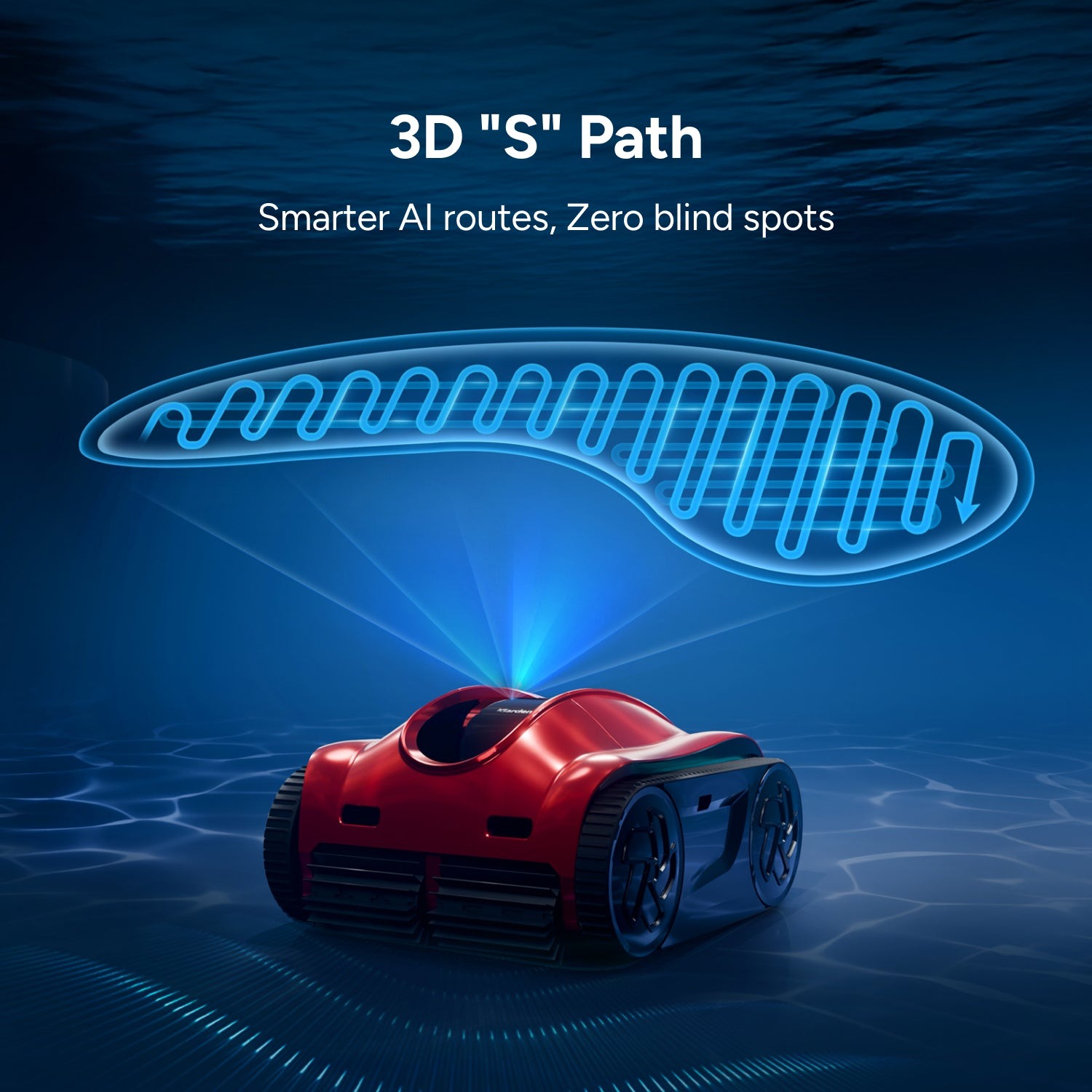
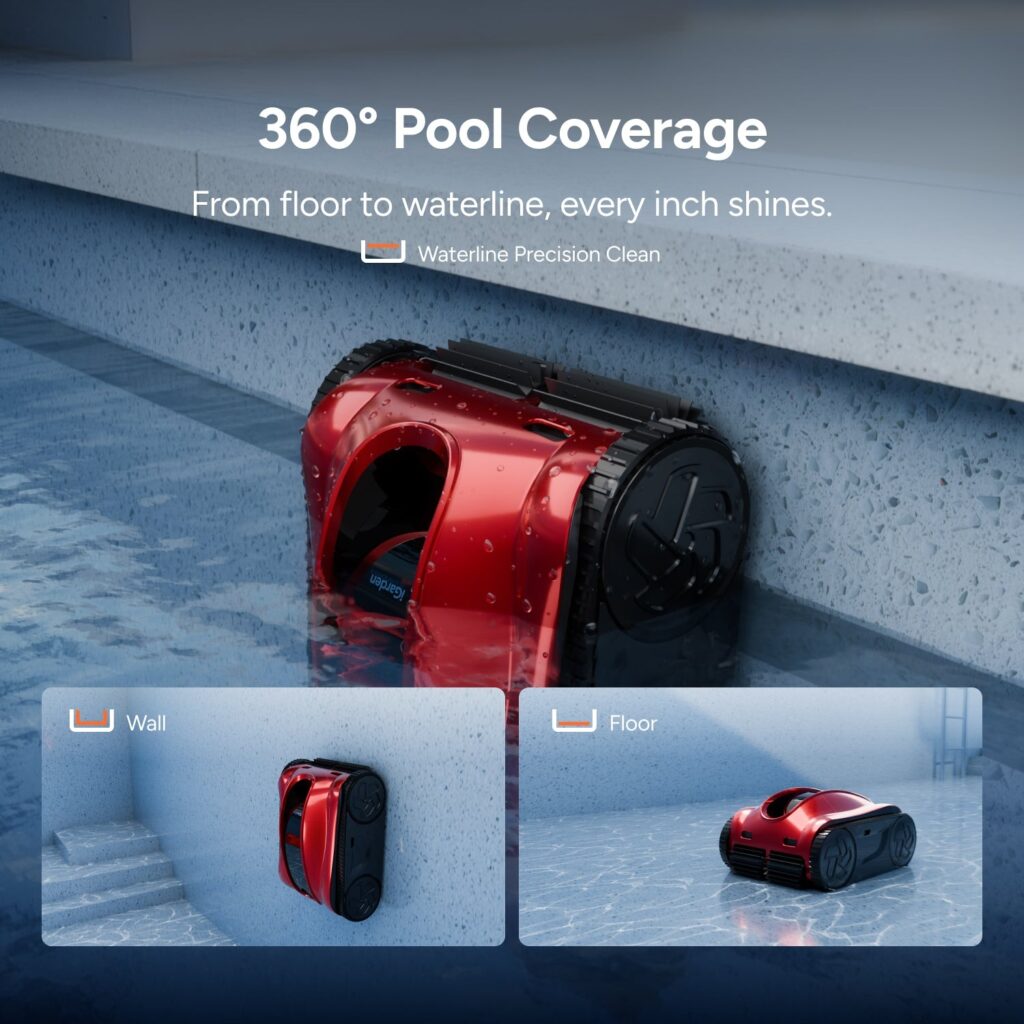
A robotic cleaner is only as effective as its ability to reach every surface. Advanced models employ gyroscopic sensors, accelerometers, and proprietary scanning algorithms to map your pool’s shape on the first pass, then calculate systematic cleaning paths that eliminate redundant overlap. This intelligent navigation ensures the unit covers floors, walls, and the waterline without missing corners or dead zones. Look for models that actively climb vertical surfaces and transition smoothly between floor and wall cleaning rather than simply bumping along the bottom randomly.
Traction and Climbing Ability
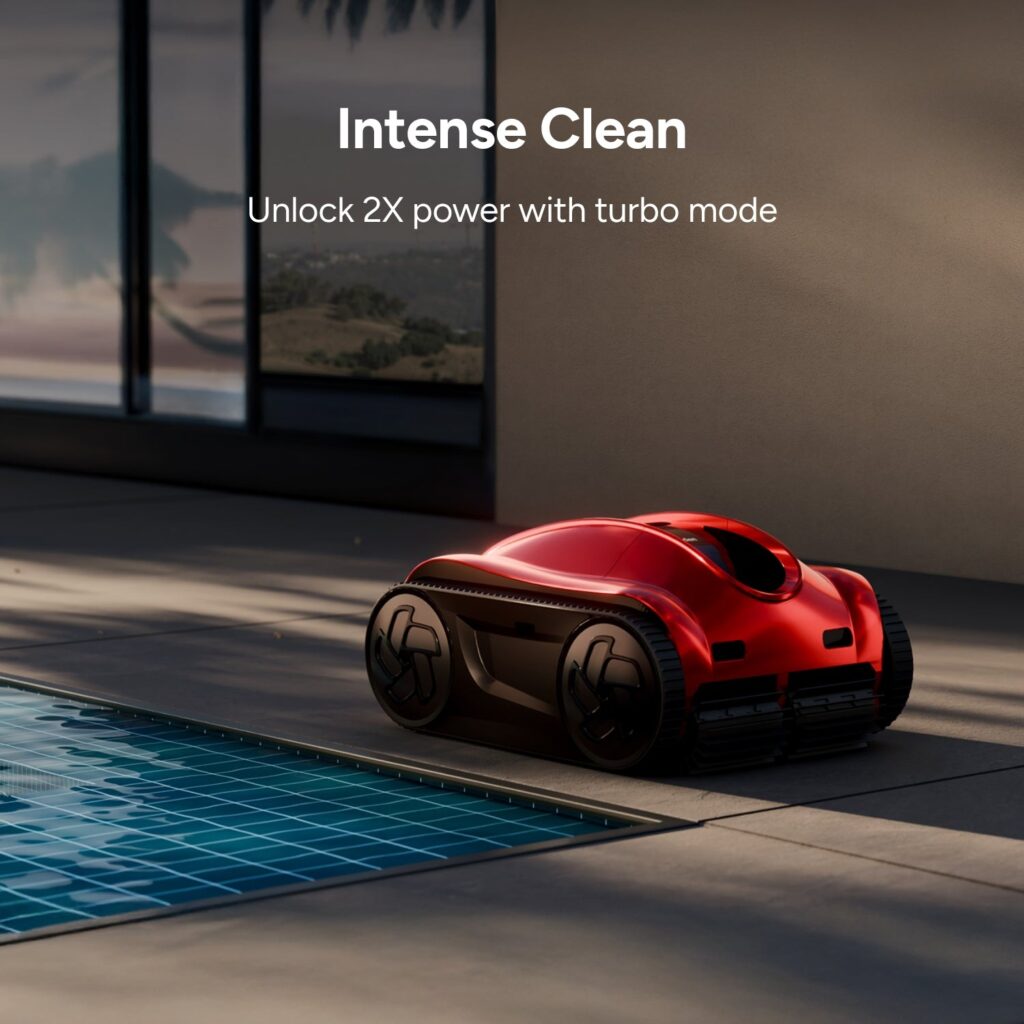
Walls and waterlines harbor the most stubborn buildup—algae films, calcium deposits, and oily residue from sunscreen. A robust drive system with textured, non-marking rubber tracks or wheels provides the grip needed to ascend vertical surfaces without slipping. Dual-grip traction systems use independently driven treads that maintain contact even on curved walls or uneven tile. Without reliable climbing ability, you’ll still find yourself scrubbing the waterline by hand, defeating the purpose of automation.
Cable Length, Swivel, and Cycle Programming
Practical details matter more than many buyers realize. The power cable must be long enough to allow the unit to reach every corner of your pool—measure your pool’s longest diagonal and add several feet for comfortable slack. A built-in anti-tangle swivel prevents the cable from knotting during directional changes, which is essential for consistent coverage. Programmable cycle options let you choose between quick spot cleans, standard full-pool cycles, and intensive deep-cleaning sessions. Some models allow weekly scheduling so the robot operates during off-peak hours, keeping your pool perpetually clean without any manual intervention.
Assessing Your Pool’s Specific Needs
Before browsing models, take thirty minutes to evaluate your pool’s unique characteristics—this simple assessment prevents costly mismatches. Start by measuring your pool’s total surface area, including the longest diagonal distance from corner to corner, as this determines the minimum cable length and motor endurance required. A compact plunge pool demands very different capabilities than a freeform 20,000-gallon backyard oasis.
Next, identify your pool’s surface material. Plaster and concrete surfaces tolerate aggressive scrubbing brushes that would damage delicate vinyl liners or glass tile. Many robotic cleaners offer interchangeable brush options, but some are engineered exclusively for specific surfaces—confirming compatibility upfront saves headaches later. Consider the debris profile your pool encounters most frequently. Properties surrounded by mature trees face heavy leaf loads requiring large-capacity filter baskets, while pools in arid or coastal areas contend primarily with fine sand and dust that demand ultra-fine filtration cartridges.
Finally, note any architectural features that could challenge navigation. Built-in steps, sun ledges, swim-outs, and tight coves create obstacles that basic models may struggle to clean around or on top of. If your pool includes these elements, prioritize cleaners with adaptive navigation that recognizes and accommodates irregular geometry rather than treating them as dead zones to avoid.
Comparing Top Robotic Pool Vacuum Brands and Models
The robotic pool cleaner market is dominated by a handful of established brands, each bringing distinct engineering philosophies to the table. Dolphin, manufactured by Maytronics, has built its reputation on intelligent navigation and energy efficiency. Their models consistently feature advanced scanning algorithms that map pool geometry quickly, and their CleverClean technology adapts cleaning patterns based on pool shape. Dolphin’s lineup spans from accessible entry-level units suitable for small above-ground pools to flagship models with app control, multi-layer filtration, and waterline scrubbing capabilities.
Polaris, backed by Zodiac’s decades of pool industry experience, emphasizes raw cleaning power and rugged construction. Their robotic models often feature oversized debris canisters and aggressive brushing systems designed for pools that accumulate heavy organic loads. The Polaris Sport series introduced a dual-grip traction system that maintains wall contact even on challenging surfaces, making them a strong choice for pools with textured plaster or steep walls.
Pentair’s robotic offerings focus on integration and user experience. Their units frequently include Bluetooth or Wi-Fi connectivity, intuitive app interfaces, and diagnostic systems that alert owners to maintenance needs before performance suffers. Pentair positions itself in the mid-range to premium space, appealing to homeowners who value seamless smart home compatibility alongside thorough cleaning.
When evaluating tiers, entry-level robotic cleaners handle floor-only cleaning in straightforward pool shapes and suit budget-conscious buyers with simpler needs. Mid-range models add wall climbing, programmable cycles, and finer filtration—ideal for most residential pools. Premium units deliver the complete package: full waterline coverage, smartphone scheduling, multi-surface brush options, and extended warranties that reflect their build quality. Matching your expectations to the appropriate tier ensures you invest in genuine capability rather than paying for features you’ll never use.
Installation, Maintenance, and Care
Getting a robotic pool cleaner up and running requires almost no technical skill. Unbox the unit, connect the power cable to the low-voltage transformer, plug the transformer into a grounded outdoor outlet, and lower the robot into the water. That’s genuinely the entire installation—no plumbing connections, no booster pumps, no professional service calls. Most units begin their first cleaning cycle with the press of a single button.
Ongoing maintenance is equally straightforward but essential for longevity. After each cleaning cycle, remove the filter cartridge or debris bag and rinse it thoroughly with a garden hose, dislodging trapped particles before they harden and restrict flow. Every few weeks, inspect the brushes for wear—flattened or frayed bristles reduce scrubbing effectiveness and should be replaced according to the manufacturer’s schedule. Check the tracks or wheels for embedded debris that could impair traction on walls. When the robot isn’t in use, store it out of direct sunlight in a cool, dry area; prolonged UV exposure degrades rubber components and housing plastics. Avoid leaving the unit submerged indefinitely, as constant immersion can stress seals and electrical connections beyond their design parameters. Following these simple habits keeps your robotic cleaner performing at peak efficiency for years.
Addressing Common Concerns and Making Your Decision
The most common hesitation buyers face is the upfront investment. While robotic cleaners cost more initially than suction-side alternatives, they typically pay for themselves within two to three years through reduced chemical usage, lower energy bills, and eliminated service fees. Quality units last five to eight years with proper care, and most manufacturers offer replacement parts—motors, brushes, filter cartridges, and power supplies—making repairs straightforward rather than requiring full replacement. Before purchasing, run through this final checklist: confirm the unit’s navigation matches your pool’s shape and obstacles, verify surface compatibility with your pool material, ensure the filtration type addresses your dominant debris, check that cable length exceeds your pool’s diagonal, evaluate smart features against your actual usage habits, and compare warranty terms across your shortlisted models.
Invest in Automated Pool Care for Effortless Clean Water
Choosing the best robotic swimming pool vacuum ultimately comes down to two fundamental steps: understanding the efficiency features that drive real cleaning performance and honestly evaluating what your specific pool demands. Intelligent navigation systems that map and adapt to your pool’s geometry, robust filtration capable of capturing your dominant debris types, and reliable traction that conquers walls and waterlines—these aren’t luxury extras but the core technologies that separate a worthwhile investment from an expensive disappointment.
The long-term payoff extends well beyond a clean pool floor. You reclaim hours of weekly maintenance time, reduce chemical dependency as consistent debris removal keeps water balanced, and eliminate the recurring cost of professional cleaning services. For the tech-savvy homeowner, the integration of app-based scheduling and smart diagnostics transforms pool care from a recurring chore into a background process you barely think about. Armed with the framework in this guide—from feature evaluation to pool assessment to brand comparison—you’re equipped to select a robotic cleaner that matches your pool’s reality rather than a manufacturer’s marketing promise. Invest confidently, and let automation deliver the sparkling, swim-ready pool you deserve every single day.