
Appliance Setup Research Hub Tu-jr1856paz Oven Temperature Explaining Device Configuration Searches

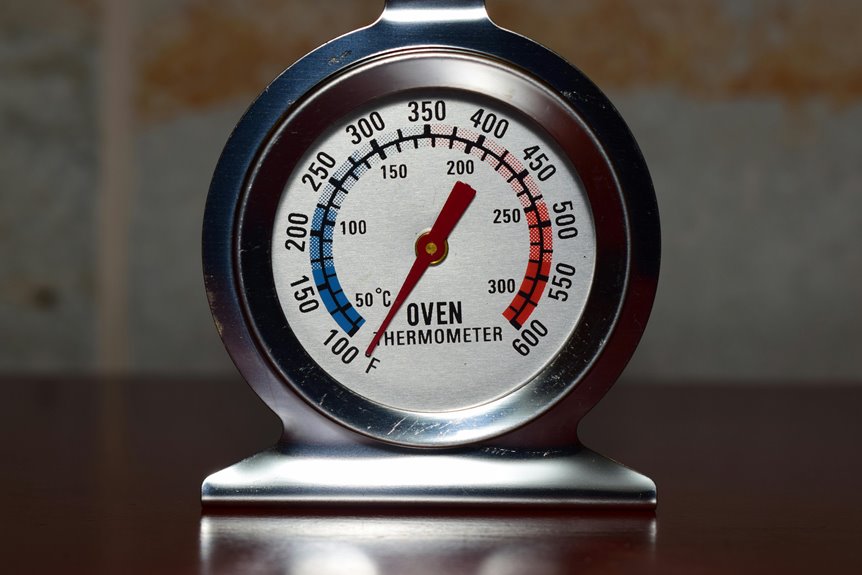
The Appliance Setup Research Hub for the Tu-jr1856paz Oven analyzes device configuration searches as a structured method to align presets with actual oven performance. It explains how temperature settings translate into measured heat, and how calibration steps reveal necessary adjustments. The approach emphasizes transparent tuning, data interpretation, and repeatable results. This disciplined process leaves open questions about calibration limits and practical verification that invite continued investigation.
What the Tu-jr1856paz Oven’s Temperature Settings Mean
The Tu-jr1856paz oven uses a range of temperature settings designed to optimize cooking results for different foods and techniques. Understanding oven temperature ranges clarifies how presets translate to steady heat. Device calibration ensures appliance settings align with actual heat, preserving heat accuracy. Proper adjustment supports precise timing, reliable performance, and freedom to tailor methods without guesswork or compromise.
How Device Configuration Searches Help You Tune Accuracy
Device configuration searches provide a structured approach to refine oven accuracy by systematically comparing built-in presets with observed performance. The process frames idea 1: device configuration, searches accuracy within a disciplined workflow, emphasizing temperature calibration and data interpretation. Results guide the tuning cycle, offering transparent adjustments and measurable outcomes, supporting a freedom-oriented audience seeking reliable, verifiable improvements without unnecessary complexity.
Step-by-Step: Verifying Temperature Readings Under Real-World Conditions
How can real-world conditions reveal gaps between displayed and actual oven temperatures, and what steps ensure those readings are trustworthy? In practice, verification proceeds with standardized, repeatable measurements: calibration techniques, multiple trials, and documenting ambient influence. Sensor placement matters—position probes away from fans and walls. Compare readings to reference devices, adjust for systematic offsets, and record results for transparent, reliable confidence in operation.
Troubleshooting Misreads and Aligning Readings With Intended Heat
Practical troubleshooting begins with identifying misreads and aligning readings to the intended heat through systematic comparison and adjustment. Misalignment is analyzed by repeated testing across presets, then corrected via documented adjustment strategies. Calibration methods are applied to thermometer and oven sensors, ensuring consistent results. Clear records enable repeatable results, while independent verification confirms that readings reflect true oven output without bias or drift.
Conclusion
The Tu-jr1856paz oven’s temperature settings are clarified through deliberate device configuration searches, which compare presets against actual heat output and adjust calibration accordingly. This method ensures precise, repeatable results by revealing where readings diverge from intended temperatures. In real-world testing, verification under typical cooking conditions confirms accuracy and guides ongoing documentation. By treating misreads as data to be refined, the approach keeps temperature interpretation transparent, stable, and scientifically compelling—like a compass that never wavers.