
The BABOK Guide Knowledge Areas: Deep-diving into the International Institute of Business Analysis Standards for Professional Practice

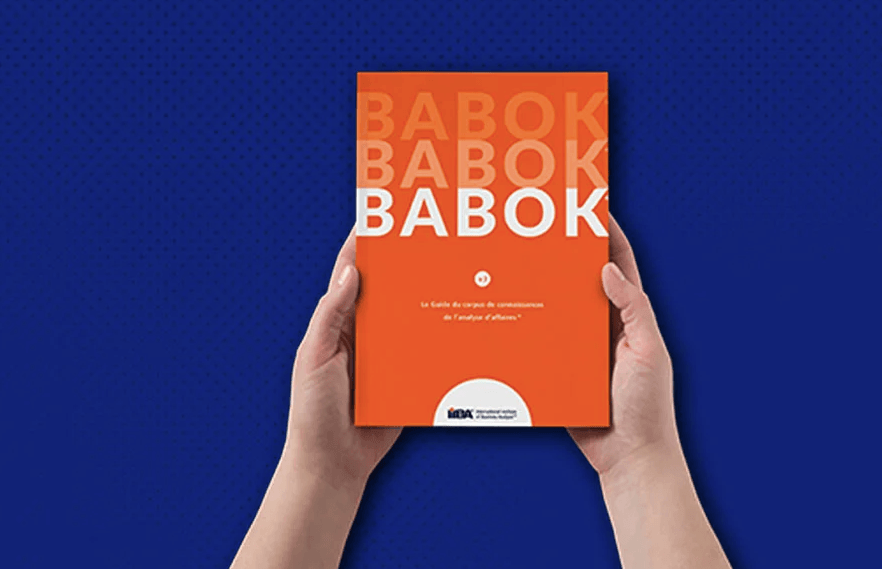
The BABOK Guide is a widely used reference for business analysis practice. Published by the International Institute of Business Analysis, it describes what business analysts do, why they do it, and how they approach work across industries and project types. Rather than promoting a single methodology, the guide focuses on repeatable competencies, common tasks, and practical techniques that support better decisions and better outcomes. For professionals building a structured career path, understanding the BABOK knowledge areas helps connect day-to-day activities like stakeholder meetings and requirement reviews to a recognised professional standard. Many learners encounter these concepts while exploring a business analyst course in hyderabad, especially when preparing for IIBA-aligned roles and certifications.
Business Analysis Planning and Monitoring
This knowledge area covers how business analysis work is organised, governed, and improved over time. The goal is to ensure the BA effort is planned with the right scope, approach, and level of detail.
Key focus areas
Planning and monitoring include selecting an approach for requirements activities, defining deliverables, estimating effort, and deciding how changes will be managed. It also includes stakeholder engagement planning, which clarifies who needs to be involved, how often, and in what format. Monitoring is equally important. It involves assessing whether requirements work is progressing as intended, whether communication is effective, and whether the overall process is delivering quality outputs.
Why it matters in real projects
Without structured planning, requirements work becomes reactive. Teams may discover too late that the right stakeholders were not consulted, that critical assumptions were missed, or that change requests are arriving without a clear process. Strong planning reduces rework and helps maintain alignment across business and technical teams.
Elicitation and Collaboration
Elicitation is about drawing out information from people and existing sources. Collaboration ensures the right people stay aligned throughout the analysis lifecycle.
What elicitation includes
The BABOK treats elicitation as more than interviews. It includes workshops, observation, document analysis, surveys, and facilitated sessions that surface needs, constraints, and expectations. The BA also confirms results, meaning they validate what was captured, resolve contradictions, and ensure stakeholders agree on what was actually said and meant.
Collaboration as an ongoing discipline
Collaboration is not limited to collecting information. It includes building relationships, managing stakeholder expectations, and keeping conversations productive when there are conflicting priorities. A practical BA skill here is translating business language into technical clarity and then translating technical trade-offs back into business impact.
Requirements Life Cycle Management
This knowledge area explains how requirements are tracked, maintained, and kept useful from discovery through delivery.
Traceability and prioritisation
Requirements life cycle management includes maintaining traceability, which links requirements to business objectives, designs, test cases, and delivered outcomes. It also includes prioritisation, ensuring the team focuses on the most valuable requirements first. Another key element is assessing changes, which means evaluating the impact of new requests and deciding how to handle them without breaking timelines or scope.
Common benefits
Well-managed requirements reduce confusion during development and testing. Teams can answer practical questions quickly, such as why a feature exists, who requested it, and what value it supports. It also strengthens governance, especially in regulated environments where audit trails are important.
Strategy Analysis
Strategy analysis focuses on understanding the business context and shaping the direction of change. It answers the bigger questions before jumping into solution details.
Understanding the current state and future state
A BA analyses the current state by identifying problems, opportunities, constraints, and drivers. They then define a future state that describes what success should look like after the change. This includes identifying risks, assumptions, and dependencies that influence feasibility.
Defining change strategy
The change strategy outlines how the organisation will move from the current to the future state. It may include a phased rollout, process redesign, capability building, or technology implementation. Done well, strategy analysis prevents teams from building solutions that are technically correct but misaligned with real business priorities.
See also: The Role of Technology in Improving Final Mile Service Efficiency
Requirements Analysis and Design Definition
This area connects business needs to solution design in a disciplined way. It focuses on structuring information so it is clear, testable, and ready for delivery.
From raw needs to usable requirements
Key tasks include specifying and modelling requirements, verifying quality, and validating that requirements meet business objectives. Modelling may involve process flows, user stories, use cases, data models, or wireframes, depending on the situation. Design definition is included because business analysts often help define solution options, evaluate alternatives, and recommend approaches based on value and feasibility.
What quality looks like
High-quality requirements are clear, consistent, feasible, and testable. They also reflect real constraints such as data availability, compliance rules, and operational capacity. This is where business analysis directly reduces delivery risk, because unclear requirements are one of the most common causes of rework.
Solution Evaluation
Solution evaluation looks at whether a solution is delivering the expected value and how it can be improved.
Measuring performance and value
This includes assessing solution performance, analysing gaps, and recommending changes. Evaluation can happen during pilots, post-deployment, or during continuous improvement cycles. The BA may help define success metrics, collect feedback, and interpret results so stakeholders can decide what to adjust.
Why is it often overlooked
Many teams stop at delivery. The BABOK emphasises that business analysis continues until outcomes are achieved. Measuring adoption, quality, and business impact ensures the organisation gets real value, not just a deployed system.
Conclusion
The BABOK Guide knowledge areas provide a practical structure for business analysis work, from planning and elicitation to managing requirements, shaping strategy, defining solution designs, and evaluating results. Studying these areas helps professionals build consistency in how they think, communicate, and deliver value across projects. Whether you are new to the field or strengthening your practice, using BABOK as a reference improves clarity, stakeholder alignment, and delivery outcomes. For learners considering a business analyst course in hyderabad, aligning your learning with these knowledge areas can also make your skills more recognisable in interviews and project discussions.